Can Indian students get into Ivy League universities?
Yes. Indian students are admitted to Ivy League schools every year. The key differentiators are a compelling application — not just grades. Strong SAT scores (1500+), genuinely distinctive essays, demonstrated impact in extracurriculars and specific knowledge of and fit with each school are what separate successful Indian applicants from the rest. Academic results alone are not sufficient.
What SAT score do I need for Ivy League from India?
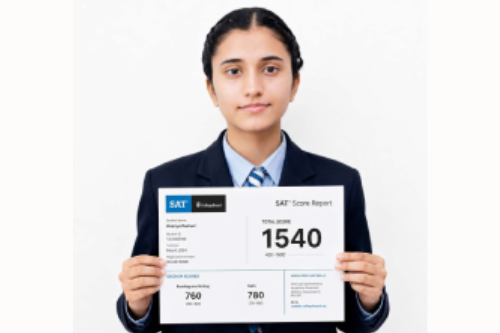
Most competitive Indian admits to Ivy League schools submit SAT scores between 1500 and 1580. A score below 1480 is a significant disadvantage. Harvard, Yale, Brown, Dartmouth and Cornell have reinstated mandatory test requirements for the Class of 2030 onwards — test-optional policies are no longer available at these schools.
What is the acceptance rate at Ivy League schools for Indian students?
Indian students are classified as international applicants at all eight Ivy League schools. Overall acceptance rates for the Class of 2029 range from 4.18% at Harvard to 8.38% at Cornell. Acceptance rates for international students are generally lower than overall rates. Competition from Indian applicants is particularly intense in STEM fields.
Is IELTS required for Ivy League from India?
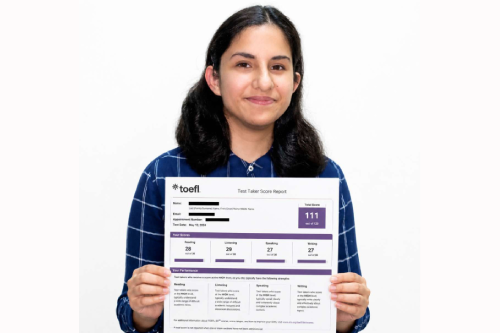
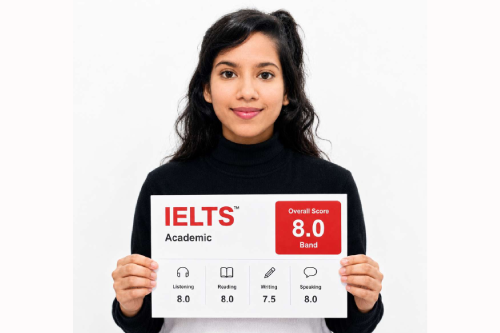
Most Ivy League schools require IELTS Academic 7.0 or above (or TOEFL iBT 100+) from students whose primary instruction was not in English. CBSE English-medium students may apply for a language waiver — each school has its own policy. New Cambridge College advises students on their specific situation.
What is the cost of attending an Ivy League university?
Tuition and fees at Ivy League schools range from approximately USD 59,320 to USD 71,000 per year (2025-26 figures). Total cost of attendance including room, board and fees ranges from USD 87,000 to USD 100,000 per year. However, need-blind schools including Harvard, Yale, Princeton and Dartmouth offer generous financial aid that can significantly reduce the net cost for qualifying families.
What extracurricular activities help for Ivy League admission from India?
The most impactful extracurriculars demonstrate sustained commitment, leadership and measurable impact — not participation in a long list of clubs. Research publications, national or international competition results, founding an initiative, or achieving professional-level recognition in arts or sports are examples. Quality of engagement in fewer activities outweighs breadth.
Does New Cambridge College offer Ivy League admissions coaching online?
Yes. New Cambridge College provides full Ivy League preparation — SAT coaching, IELTS preparation, essay writing, application filing and interview preparation — through live online sessions. Students from Delhi, Mumbai, Bangalore, Hyderabad, Pune and other cities across India enrol in the online programme.
When should I start preparing for Ivy League admissions?
Ideally 18 to 24 months before application deadlines — at the start of Class 11. This allows time for SAT preparation and retakes, genuine extracurricular development and a strong application timeline. Starting in Class 12 is possible but creates a compressed and high-pressure timeline.
Is the Ivy League only for undergraduate admissions?
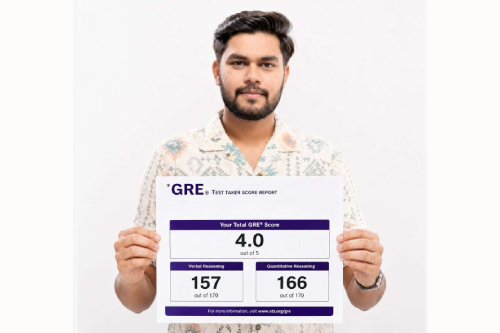
No. Ivy League schools admit Indian students at graduate levels too. Harvard Business School (MBA), Wharton (MBA), Harvard and Columbia (MS, PhD and LLM) and Cornell (MS and PhD) are popular targets. Requirements and application strategy differ significantly from undergraduate admissions. New Cambridge College provides GMAT and GRE coaching and graduate-level application support.
Which Ivy League school is easiest to get into?
Cornell University has the highest acceptance rate among Ivy League schools at approximately 8.38% for the Class of 2029. Dartmouth is next at approximately 6.0%. However, all Ivy League schools reject more than 90% of applicants — ‘easiest’ is relative. For most students, a strong list of top-25 US universities including some Ivy League schools and strong non-Ivy alternatives (Duke, Northwestern, Johns Hopkins, Georgetown) is a more realistic and productive approach than targeting only the Ivy League.